Funny Stupid Tree Definitions – A Playful Graphic Asset for Crafts and Web Design
First Impressions: A Visual Injection of Humor and Creativity
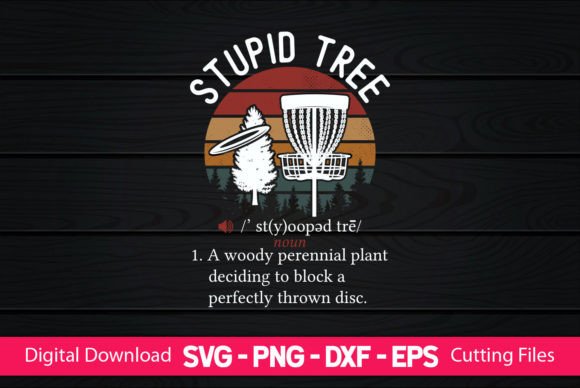
When I first encountered Funny Stupid Tree Definitions, I was immediately drawn to its whimsical charm. This graphic design asset brings a playful tone to any editorial or website content, making it ideal for niche topics that thrive on humor, satire, or light-hearted commentary.
The visual mood created by this SVG, PNG, DXF, and EPS file is unmistakably lifestyle-focused with a touch of modern design. It feels playful and decorative, which makes it especially suitable for content niches like lifestyle blogs, creative marketplaces, and digital guides that aim to engage younger audiences or those who appreciate a bit of levity in their reading experience.
Real Publishing Use Cases: Where Funny Stupid Tree Definitions Shines
Funny Stupid Tree Definitions can be a powerful addition to various publishing workflows. Here are some practical applications:
- Blog Featured Images: As a header or hero image, it adds a humorous twist to article introductions, particularly when discussing topics like gardening, nature, or even absurd science.
- Pinterest Graphics: Its bold visuals make it perfect for creating eye-catching Pinterest pins that stand out in a sea of similar content.
- Newsletter Headers: Used as a header for email newsletters, it introduces a fun element that helps break up dense text and keeps readers engaged.
- Downloadable Resources: When bundled with printable designs or digital guides, it enhances the overall aesthetic appeal and makes the content feel more approachable.
- Social Media Previews: As part of social media graphics, it supports stronger first impressions and better click-through potential.
This asset is also well-suited for use in Canva templates, digital product packaging, and content marketing materials where a balance between professionalism and creativity is essential.
Editorial Value and Reader Trust
Using Funny Stupid Tree Definitions can significantly enhance visual hierarchy and brand identity in editorial layouts. The design’s unique character helps establish a consistent visual language across your content, improving category recognition and reader trust.
It’s important to consider how the asset affects the reader’s perception. While it may not fit every serious professional niche, it thrives in environments that value creative design and modern aesthetics. For small business branding or affiliate marketing campaigns, it offers a refreshing alternative to traditional stock images.
Where This Asset Works Best
Here are some specific placements where Funny Stupid Tree Definitions performs exceptionally well:
- Hero Images: On landing pages or blog homepages, it acts as a strong visual anchor.
- Article Thumbnails: It boosts visibility in search results and social media feeds.
- Editorial Accents: Used as a background or border element, it adds personality without overwhelming the content.
- Content Upgrades: When paired with lead magnets or free downloads, it enhances the perceived value of the offer.
- Category Visuals: Helps distinguish sections of a website or blog with a cohesive theme.
Use with Caution: Practical Publisher Notes
While Funny Stupid Tree Definitions is a versatile graphic design asset, it should be used carefully in certain contexts:
- Small Mobile Thumbnails: The detail may be lost on smaller screens, so ensure it’s optimized for mobile responsiveness.
- Text-Heavy Blog Images: Avoid using it as a background for articles with dense text to maintain readability.
- Low-Contrast Backgrounds: Test it against different color schemes to ensure it remains visible and impactful.
- Busy Layouts: Keep the design clean and avoid cluttering the page with too many visual elements.
- Professional Niches: Not ideal for corporate content or websites requiring a minimal visual system.
Before implementing Funny Stupid Tree Definitions into your content strategy, test it on both desktop and mobile screens. Check how it looks as a thumbnail, preview it inside a real blog layout, and test it with headline text. Ensure contrast and readability are maintained, and try it in black and white to assess its versatility.
Additionally, review the file size for web performance and compress images properly if needed. Confirm commercial licensing before using it on monetized websites, affiliate pages, or paid content products.
Final Thoughts: A Creative Boost for Content Publishers
Funny Stupid Tree Definitions is a standout graphic design asset that adds a unique flavor to your editorial content and website presentation. Whether you're designing blog graphics, web design elements, or printable designs, this asset offers a fresh perspective that can elevate your brand’s visual identity and improve content performance.
For bloggers, publishers, and creative entrepreneurs looking to inject some humor and style into their digital presence, this design is a must-have. Just remember to use it strategically and align it with your overall branding and content marketing goals.